
Views: 0 Author: Site Editor Publish Time: 2025-09-01 Origin: Site


Imagine stepping into a world where geometry meets luxury, and every corner exudes elegance. Art Deco interior design does just that, blending bold shapes with opulent materials. Originating in the early 20th century, this style reflects an era of innovation and sophistication. In this post, you'll learn about Art Deco's defining traits, its historical roots, and its lasting influence on Public Art Design today.
Art Deco interior design is instantly recognizable by its distinctive features that combine elegance with modernity. This style is celebrated for its geometric precision, bold colors, sleek forms, and luxurious materials, all of which contribute to its timeless appeal.
One of the most defining characteristics of Art Deco design is the emphasis on geometric shapes and symmetry. Triangles, zigzags, chevrons, trapezoids, and sunburst patterns frequently appear throughout interiors. These shapes are often arranged in symmetrical compositions, creating a sense of balance and order. This geometric focus reflects the machine-age optimism of the era and contrasts sharply with the flowing lines of preceding styles like Art Nouveau.
Art Deco interiors embrace a rich and bold color palette. Jewel tones such as emerald green, sapphire blue, ruby red, and amethyst purple are common, often paired with metallic accents in gold, silver, or chrome. Black and white contrasts also play a significant role, sometimes appearing in striking floor tiles or wallpaper patterns. This vibrant use of color adds drama and sophistication to any space.
Sleek, clean lines define Art Deco furniture and architectural elements. Unlike ornate Victorian styles, Art Deco pieces are streamlined and often feature curved or stepped forms. Furniture tends to be large in scale but avoids excessive decoration, focusing instead on smooth surfaces and aerodynamic shapes. This approach lends a modern and uncluttered feel while maintaining an air of luxury.
Luxury is at the heart of Art Deco interior design, evident in its choice of materials. Designers favored high-end and often exotic materials such as marble, ebony, lacquer, and zebra skin. Metals like chrome, brass, and stainless steel are commonly incorporated to enhance the sleek aesthetic. Velvet upholstery and mirrored surfaces add texture and reflect light, amplifying the glamour of the space.
Tip: When incorporating Art Deco elements in commercial or public art design projects, prioritize geometric patterns and luxurious materials to evoke sophistication and timeless elegance.
Art Deco interior design did not appear overnight; it evolved through a fascinating blend of cultural, artistic, and technological influences that shaped its unique identity.
Art Deco originated in France during the 1910s and gained widespread recognition at the 1925 International Exhibition of Modern Decorative and Industrial Arts in Paris. This event was pivotal, showcasing a new style that celebrated modernity and luxury. Designers sought to break away from the organic, flowing lines of the earlier Art Nouveau movement, favoring instead geometric forms and a more mechanized aesthetic. This shift reflected the optimism and industrial progress of the era, positioning Art Deco as a symbol of sophistication and innovation.
While Art Deco reacted against Art Nouveau’s naturalistic curves, it still borrowed some inspiration from it, particularly in the use of decorative motifs. However, Art Deco incorporated a stronger emphasis on symmetry and geometry. Additionally, the Bauhaus movement contributed to Art Deco’s streamlined shapes and functional elegance. Bauhaus’s focus on simplicity and industrial materials helped shape Art Deco’s sleek furniture and architectural elements. Together, these influences created a design language that was both artistic and pragmatic, blending beauty with utility.
After its debut in France, Art Deco quickly spread across Europe and the United States, becoming a dominant style in the 1920s and 1930s. It influenced not only interior design but also architecture, fashion, jewelry, and public art design. Iconic buildings like New York’s Chrysler Building and Radio City Music Hall exemplify Art Deco’s grand architectural ambitions. The style’s embrace of new materials such as chrome, stainless steel, and lacquer reflected the machine age and industrial advancements. Even today, Art Deco’s global impact is visible in many public spaces and continues to inspire modern designers.
Tip: When planning public art design projects, consider Art Deco’s historical context and its blend of geometric precision and luxurious materials to create visually striking and culturally resonant installations.
Art Deco interior design remains a popular choice for those who want to infuse their spaces with glamour and sophistication. Incorporating Art Deco elements into modern interiors allows you to celebrate this classic style while keeping your space fresh and contemporary. Here’s how you can bring the essence of Art Deco into your home or commercial project with a focus on vibrant colors, geometric patterns, sleek materials, and lighting.
Art Deco is famous for its rich, bold color palette. Jewel tones like emerald green, sapphire blue, and deep ruby red create a luxurious atmosphere. Metallic accents in gold, silver, and chrome add sparkle and drama. When selecting colors, consider pairing vibrant hues with black or white to achieve striking contrasts. Use these colors on walls, upholstery, or decorative accessories to capture the opulence of Art Deco.
Geometric patterns are at the heart of Art Deco design. Zigzags, chevrons, sunbursts, and trapezoids can be introduced through wallpaper, rugs, cushions, or artwork. These patterns create visual interest and maintain the symmetry that Art Deco is known for. Even small touches, like a geometric mirror or a patterned throw pillow, can make a big impact.
Materials play a crucial role in achieving an authentic Art Deco look. Choose furnishings and finishes in chrome, lacquer, glass, and mirrored surfaces to add shine and reflect light. Velvet and leather upholstery bring softness and luxury. Marble and exotic woods like ebony or zebrawood contribute texture and richness. These materials combine to create a sleek, elegant environment that feels both modern and timeless.
Lighting is a powerful tool in Art Deco interior design. Opt for fixtures with geometric shapes, such as stepped or fan-shaped chandeliers and sconces. Metallic finishes like brass or chrome enhance the glamorous vibe. Etched glass or crystal shades can diffuse light softly while adding visual interest. Proper lighting not only illuminates the space but also highlights the luxurious materials and bold patterns typical of Art Deco.
Tip: When designing public art or commercial spaces, integrate bold geometric patterns and luxurious materials in lighting and fixtures to evoke the timeless elegance of Art Deco and create memorable environments.
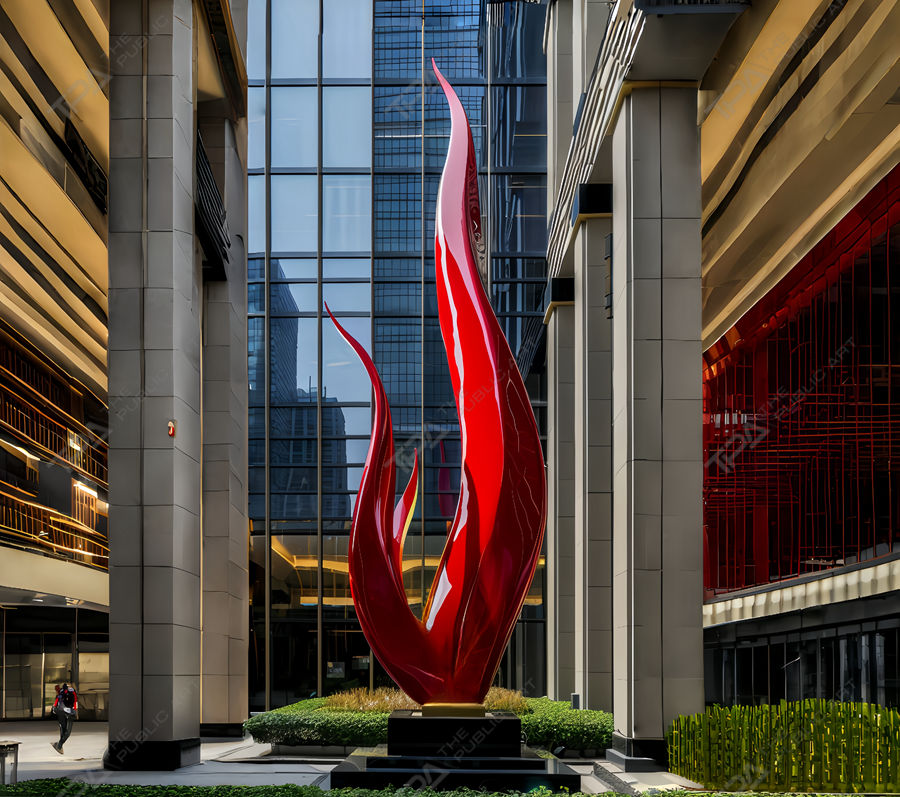
Understanding how Art Deco contrasts with other design movements helps clarify its unique place in interior design history. This section explores the differences between Art Deco and Art Nouveau, compares Art Deco with Mid-Century Modern, and highlights the distinct features that set Art Deco apart.
Art Nouveau preceded Art Deco and is characterized by its organic, flowing lines and natural motifs such as flowers, vines, and insects. It emphasizes asymmetry and intricate detail, creating a whimsical, romantic feel. In contrast, Art Deco embraces geometry, symmetry, and a streamlined, machine-age aesthetic. It favors bold, angular shapes like zigzags, chevrons, and sunbursts over the soft curves of Art Nouveau. While Art Nouveau draws inspiration from nature’s irregular forms, Art Deco celebrates modernity, technology, and luxury, often using expensive materials and metallic finishes.
Mid-Century Modern design emerged after Art Deco’s heyday, focusing on minimalism, functionality, and organic simplicity. It uses natural materials like wood and leather and favors muted, earthy colors. Art Deco, by contrast, is more ornamental and theatrical, featuring lavish materials such as chrome, marble, and velvet, along with rich jewel tones and metallic accents. While Mid-Century Modern embraces clean, understated shapes, Art Deco revels in dramatic geometric patterns and decorative details. Both styles share a love of sleek lines but differ greatly in their approach to ornamentation and color.
Art Deco’s signature traits include:
Geometric Symmetry: Precise shapes arranged in balanced patterns.
Luxurious Materials: Use of marble, lacquer, chrome, velvet, and exotic woods.
Bold Color Palettes: Jewel tones combined with black, white, and metallics.
Ornamental Motifs: Sunbursts, zigzags, chevrons, and stepped forms.
Machine-Age Inspiration: Emphasis on modernity and industrial progress.
These elements create a style that is both glamorous and modern, making Art Deco a timeless choice for interior design and public art design alike.
Tip: When developing public art design projects, leverage Art Deco’s geometric precision and luxurious materials to create visually compelling installations that stand out from more minimalist or naturalistic design styles.
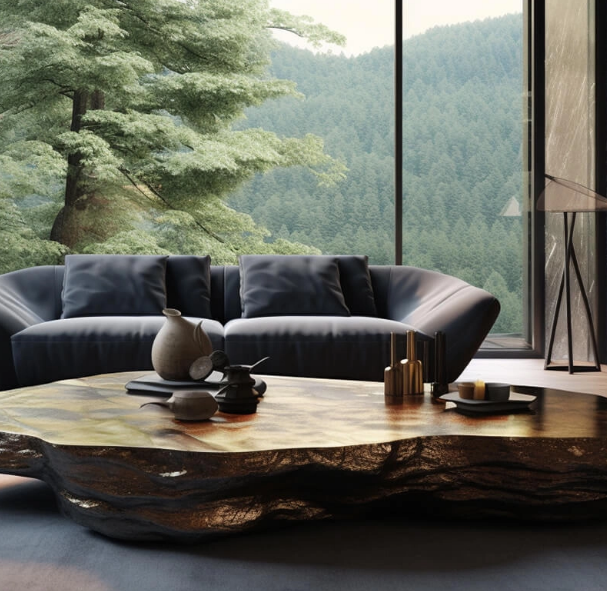
Art Deco architecture stands as a bold testament to the style’s emphasis on modernity, luxury, and geometric elegance. Iconic buildings from the 1920s and 1930s showcase how Art Deco transformed public art design and urban landscapes. These structures not only embody the key characteristics of Art Deco but also inspire interior design and public art projects today.
Located in New York City, the Chrysler Building is often hailed as the epitome of Art Deco architecture. Completed in 1930 and designed by William Van Alen, this skyscraper features a distinctive stainless steel spire with sunburst patterns that capture the machine-age optimism of the era. Inside, the lobby is a showcase of Art Deco interior design, boasting marbled walls, ornate elevator doors, and metal ornaments that reflect the building’s exterior motifs. The Chrysler Building’s blend of geometric shapes, luxurious materials, and sleek lines perfectly illustrates the Art Deco style features that continue to influence public art design and architecture.
Another New York landmark, Radio City Music Hall, was designed by architect Edward Durell Stone and interior designer Donald Deskey. Completed in 1932, its interior is a masterpiece of Art Deco design. Massive arches span the stage, complemented by red walls, gold gilding, and wallpaper patterns featuring geometric motifs like chevrons and sunbursts. The use of bold colors and symmetrical patterns creates an atmosphere of glamour and sophistication. Radio City Music Hall exemplifies how Art Deco design elements can be applied to public spaces to evoke elegance and cultural significance.
Completed in 1933, Cincinnati Union Terminal is a unique example of Art Deco architecture applied to a public transportation hub. This half-dome-shaped building, the largest of its kind in the Western Hemisphere, houses a 100-foot tall rotunda adorned with vibrant mosaics, colorful glass, and arched windows. The terminal’s design balances functionality with ornamental beauty, using geometric patterns and rich materials that align with the art deco design movement. Its integration of art and utility makes it a celebrated example of how Art Deco can elevate public infrastructure through thoughtful design.
Tip: When designing public art or commercial architecture projects, study these iconic Art Deco buildings to understand how geometric precision, luxurious materials, and bold color palettes create timeless, visually impactful spaces.
Bringing Art Deco interior design into your home is a rewarding way to add glamour, sophistication, and a touch of timeless elegance. This style is defined by its bold geometric forms, luxurious materials, and rich color palettes. Here are key strategies to help you achieve an authentic Art Deco look while blending antiques and modern pieces for a fresh, personalized space.
One of the best ways to create a dynamic Art Deco interior is by combining original antiques with contemporary furniture. Vintage Art Deco pieces, such as mirrored sideboards, lacquered cabinets, or geometric inlaid tables, bring authenticity and history. Pair these with sleek modern chairs or minimalist lighting fixtures to balance the opulence with current trends. This mix avoids a museum-like feel and makes the design approachable and livable.
While Art Deco is known for its bold jewel tones, a monochromatic color scheme can also evoke luxury and elegance. Choose a single color family—like deep emerald greens, rich blues, or warm golds—and use varying shades and textures throughout the space. Velvet upholstery, glossy lacquered surfaces, and metallic accents in the same hue create depth and sophistication without overwhelming the room. This method works well in living rooms or bedrooms seeking a refined yet dramatic atmosphere.
Art Deco thrives on bold, eye-catching elements. Incorporate statement pieces such as sunburst mirrors, sculptural lighting fixtures, or furniture with stepped or curved silhouettes. These items become focal points and express the style’s characteristic geometry and glamour. For example, a large chrome chandelier with etched glass shades can elevate a dining area, while a velvet sofa with brass detailing adds both comfort and style. Don’t shy away from mixing patterns like chevrons or zigzags in rugs or cushions to enhance the visual interest.
Tip: For public art design or commercial interiors, blend vintage Art Deco motifs with contemporary forms to create spaces that feel both timeless and relevant, appealing to diverse audiences.
Art Deco's influence on contemporary design is undeniable, with its geometric precision and luxurious materials remaining relevant today. The timeless elegance of Art Deco, characterized by bold colors and sleek forms, continues to inspire modern interiors. Future trends in Art Deco interior design suggest a blend of vintage motifs with contemporary elements. TPA offers products that capture the essence of Art Deco, providing value through innovative design and high-quality materials that enhance any space.
A: Art Deco interior design is a style characterized by geometric shapes, bold colors, and luxurious materials. It emerged in the 1920s and 1930s, emphasizing modernity and elegance through streamlined forms and rich textures.
A: Public art design often incorporates Art Deco elements by using geometric patterns, luxurious materials like chrome and marble, and bold color palettes. These features create visually striking installations that evoke sophistication and timeless elegance.
A: Key characteristics of Art Deco design include geometric symmetry, sleek lines, a bold color palette with jewel tones, and the use of luxurious materials such as marble, chrome, and lacquer.
A: To incorporate Art Deco style in your home, use bold geometric patterns, rich jewel tones, and luxurious materials like velvet and chrome. Mix vintage Art Deco pieces with modern elements for a balanced, sophisticated look.
A: Common materials in Art Deco interior design include marble, chrome, lacquer, velvet, and exotic woods like ebony. These materials contribute to the luxurious and modern aesthetic typical of the style.
